The Questions We Never Asked Our Parents
Most of us don't realize what we're losing until we go to ask a question and there's no one left to answer it. That's the quietest kind of loss, and it's happening in every family, every day, while we're busy.
Leonardo Varela, Cofounder of InkTree
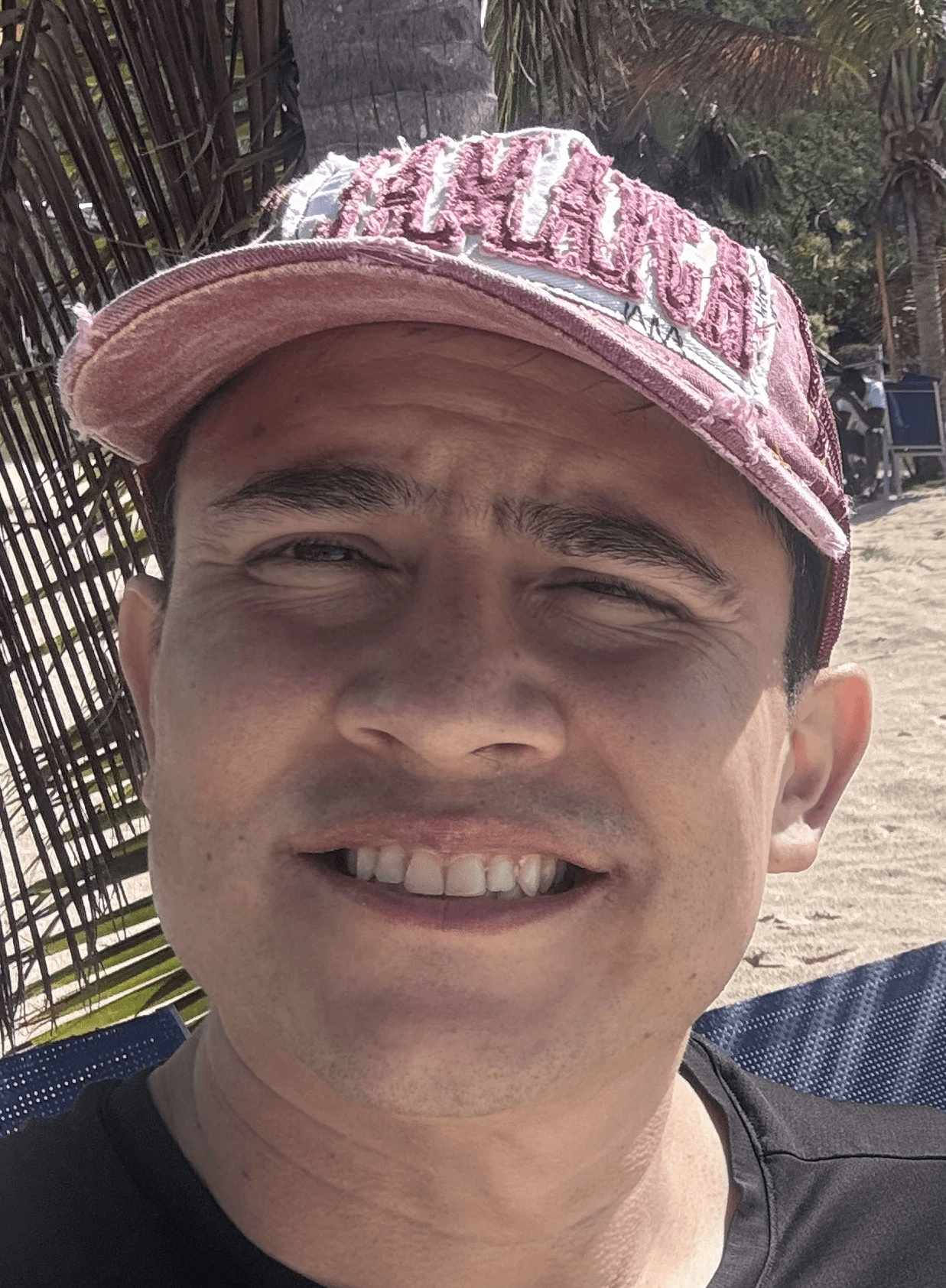
Leonardo is a cofounder of InkTree. He started the company after losing family stories he'd always meant to ask about and realizing he wasn't alone.
There is a specific kind of grief that doesn't arrive at a funeral. It arrives years later, on a Tuesday afternoon, when your daughter asks you a question about her grandmother and you realize you don't know the answer. It's not that you forgot. It's that you never asked. And now there is no one to ask.
This is the quietest loss most families experience, and the most preventable one.
The questions that don't wait
If you sat down today and made a list of everything you wish you knew about your mom or your dad, you'd be surprised how long it gets.
What did they want to be when they were ten? What was their first job, really? Who broke their heart before they met your other parent? What did they believe in, when no one was watching? What scared them? What's the one thing they're proud of that nobody knows about?
Most of those answers exist right now. They live in someone you can call. And every year that passes, the answers get a little less detailed. Memory dims. Stories get compressed. The texture fades.
This is what we mean by invisible loss. It's not the dramatic kind. It's the kind where every passing year, you have a little less of someone, and you don't notice until you go to reach for it and it's already gone.
Try a free conversation with InkTree's AI historian →
Why an AI historian, not a form
Most people who care about preserving family stories have, at some point, made a list of questions and meant to "sit down and ask Mom one day." Then life happens. The list gathers dust. Mom turns 75, then 80.
The reason is simple: nobody wants to interview their own mother. It feels weird. It feels rehearsed. The questions you wrote down sound clinical when you say them out loud.
That's the gap the InkTree historian fills.
It is not a form to fill out. It is not a checklist. It is an AI trained on the kinds of questions thoughtful interviewers, biographers, and grief counselors ask, the ones that open up a real conversation. It listens. It follows up. It lets a pause sit when there should be a pause.
It asks the question your aunt would ask, if your aunt were a patient, curious historian. And it does it in a way that doesn't feel like an interview at all.
How it actually works
You tell the historian a name and a relationship: your mom, your dad, your grandfather.
It starts with one open, gentle question.
You answer however feels natural. Type, talk, take your time.
It follows up with the kind of questions only a thoughtful interviewer would think to ask.
Every answer is saved as a story your family can come back to. Forever.
There is no microphone setup. No "preparation session." No rules about how long it has to be. A useful conversation can take five minutes or fifty. Either is fine. Both are more than you had yesterday.
What families are actually asking
These are paraphrased from real conversations families have started on InkTree:
What was the first thing my dad bought when he came to this country?
Did my grandmother actually believe in God, or was that just for the kids?
What did my mom want to be when she was twelve?
What's the one thing my grandfather wishes he'd done differently?
Was my parent ever in love with someone else first?
Read those again. Notice that every single one of them has an answer right now. The person who knows is alive. They are reachable. The information is not lost.
It will be, eventually. That is how this works.
Start a 5-minute conversation with the historian, free →
Start before you need it
The hardest thing about preventing invisible loss is that you'll never feel urgent enough at the right time. By the time something happens that makes the urgency real, you've usually missed the window.
The opposite is also true: you don't need a reason to start. You don't need a milestone or an anniversary or a hospital diagnosis. You can just begin.
Five minutes is enough.
The historian will hold the conversation lightly. You can stop whenever. You can come back tomorrow. You can do this on your phone in bed, or on your laptop during lunch, or while your kids are at soccer practice. There is no preparation needed.
Whatever you capture today, your family will be glad you captured.
Talk to InkTree's AI historian, free →
Private by default. Designed for real people, not perfect writers. No credit card required.