The Voice You'll Wish You'd Recorded
Sometime in the next ten years, you'll go looking for someone's voice, and it won't be there. The good news: it takes about five minutes to make sure it doesn't.
Leonardo Varela, Cofounder of InkTree
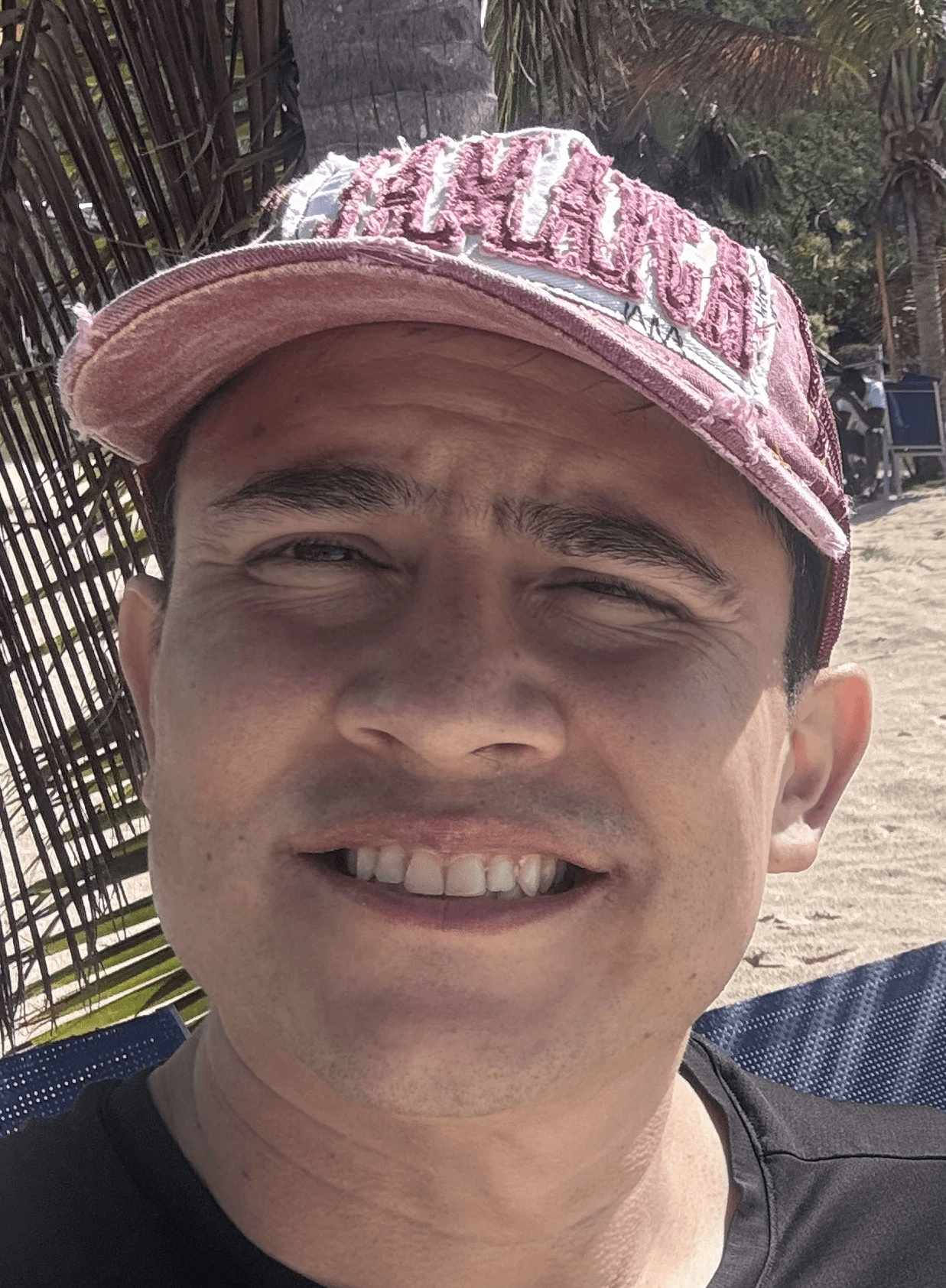
Leonardo is a cofounder of InkTree. He started the company after losing family stories he'd always meant to ask about and realizing he wasn't alone.
Most people can still picture their grandmother's face. They've seen it in photographs a thousand times. What they cannot do, what surprises them, is hear her voice.
Voices fade faster than faces. Photos preserve the visible. Voice is everything else: the laugh, the pause, the specific way someone said your name. The texture of how they were in a room.
You can't take a photo of that. You can only record it.
And the painful truth most families discover too late is that you don't think to record someone while they're still here. They feel permanent. Until they're not.
Here's how InkTree fits in. You and the person you love sit somewhere comfortable, the kitchen table, a Sunday phone call, a drive home. You hit record. They talk. When you save, we keep the audio and turn the conversation into a written story your family can read, share, and hold onto forever.
What photos can't capture
Think of someone you've already lost: a grandparent, a parent, an aunt. Now try to hear them.
Most people can summon a sentence or two. Maybe a laugh, if they're lucky. After that, it gets blurry. Memory keeps the meaning of how someone sounded, but loses the actual sound.
This is what a voice recording captures that nothing else can:
The way your dad laughed at his own jokes.
The way your mom said your full name when she was upset.
Your grandmother's pauses, the long ones, right before she'd say something true.
The accent. The cadence. The specific human texture of someone you love.
A voicemail is the most precious thing in many people's phones, and almost everyone who has one says the same thing: I wish I had more.
Record your first 5-minute conversation, free →
Five minutes beats five hours
The reason most people don't have recordings of their loved ones is that they're waiting until they have time to do it "right."
Right is a sit-down interview. Right is a quiet room with no interruptions. Right is a list of questions and a few hours scheduled. Right is something that happens next month. Or next year. Or after the holidays.
Right doesn't happen.
But five minutes, five minutes is something that fits between dinner and the next thing. Five minutes is something you can do at a Sunday phone call with your mom, on a drive with your dad, while your grandfather is telling a story you've heard before.
Five minutes today is worth five hours that never happen.
The five-minute version
Pick a moment when you're already with them, or already on the phone.
Hit record on InkTree.
Ask one of these:
How did you and Mom (or Dad) meet?
What was your first job, and what was it actually like?
What's something about your childhood I've never heard?
What were you afraid of when you were my age?
Let them talk. You don't have to fill the silences. The silences are part of it.
Save it. Done.
That's the entire flow. There is no microphone setup. No app to download. No technical skill required. If you can make a phone call, you can record a story.
What people wish they'd asked
A few things real InkTree users have told us, paraphrased:
I have one voicemail of my dad. I play it on his birthday.
I always thought I'd remember my grandmother's voice. I don't. I really don't.
I never recorded my mom telling the story of how she met my dad. She told it ten times. I figured she'd tell it again. Then she got sick.
The thing I miss most isn't his face. It's the way he said my name.
These are not unusual. These are typical. Almost every family has someone whose voice they'd give anything to hear again. The only thing that separates the families who have it from the ones who don't is whether somebody, at some point, hit record.
Hit record before another month passes →
Start before it's too late
If you keep reading articles about preserving family voices, you will not have any more recordings than you do now. Reading is not the thing. Recording is the thing.
The hardest part is the first one. After you've done it once, you'll do it twice. After two, you'll have a habit. After a few months, you'll have a small archive your family will treasure for the next hundred years.
You don't need a microphone. You don't need a quiet room. You don't need permission. You just need five minutes and the question you're going to ask.
You probably already know the question. You've been meaning to ask it for years.
Record a story now, free, on any phone →
Private by default. Designed for real people, not perfect writers. No credit card required.