Why Phone Calls Are Better Than Video for Family Storytelling
Explore why phone conversations often lead to deeper, more natural storytelling than video calls, especially for older adults who prefer simplicity and familiarity.
Trevor Richardson, Founder of InkTree

Trevor Richardson is the founder of InkTree.ai, a family storytelling platform that helps families record stories by phone, create transcripts, and preserve memories in a private archive that can be shared across generations. After losing his father, he became focused on preventing the quiet loss of voices and everyday stories that disappear over time. With close to two decades in cybersecurity, Trevor brings a privacy first approach to protecting deeply personal family history. He writes about family storytelling, digital legacy, and using voice technology to strengthen connection across generations.
Why Phone Calls Are Better Than Video for Family Storytelling
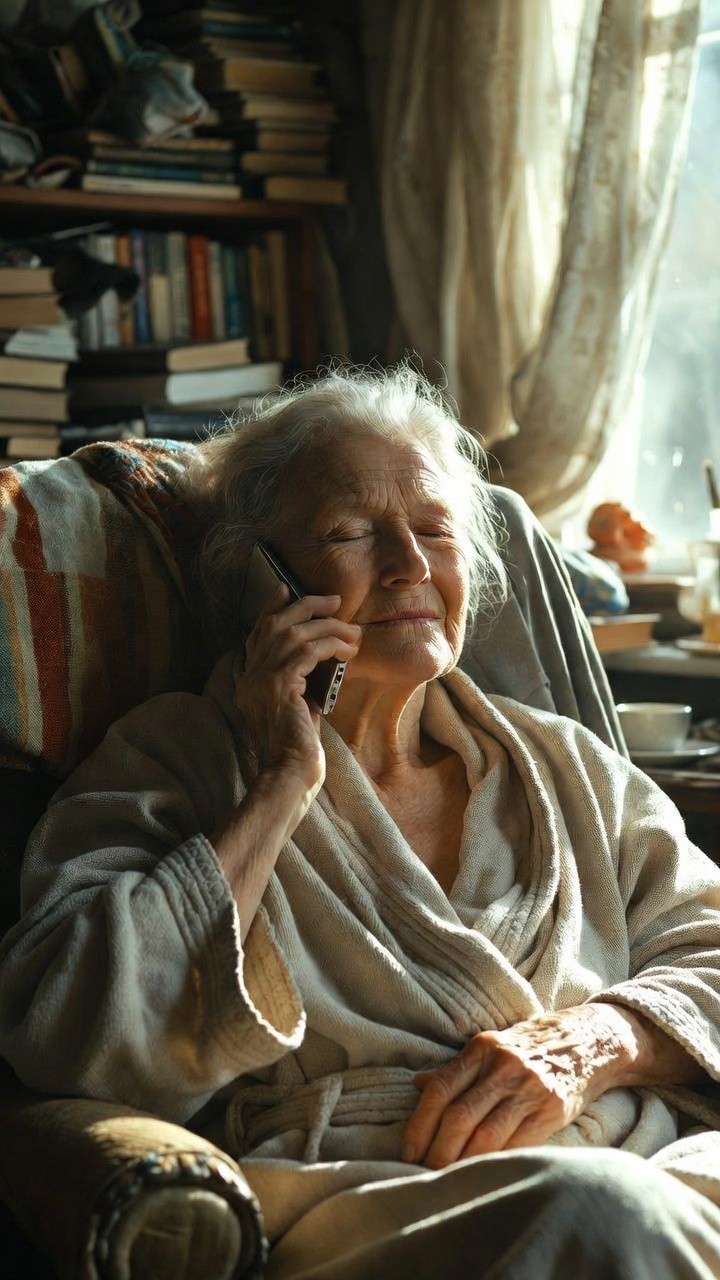
Video calls are often seen as the best way to connect, but when it comes to preserving family stories, phone calls frequently lead to deeper and more natural conversations—especially for older adults.
Phone calls reduce self-consciousness
Being on camera can make people aware of how they look, sit, or speak. This self-awareness can interrupt natural storytelling. Phone calls remove visual pressure, allowing people to focus entirely on sharing their memories.
Familiarity encourages openness
For many older adults, phone calls are a lifelong habit. They feel familiar and comfortable, unlike video platforms that may require setup, apps, or troubleshooting. Familiarity makes conversations feel safe and unforced.
Fewer distractions, better storytelling
Video calls introduce visual distractions such as background noise, camera framing, or screen notifications. Phone calls simplify the experience, helping people stay present in the conversation and recall memories more clearly.
Emotional stories feel easier to share
Sensitive or emotional memories can feel harder to share on video. Without a camera, people often feel more comfortable expressing vulnerability, leading to richer and more honest stories.
Phone calls make storytelling more accessible
Not everyone has access to smartphones, strong internet connections, or video-call apps. Phone-based storytelling works on any cell phone or landline, making it accessible to all family members.
Choosing comfort over production quality
When preserving family stories, comfort matters more than visuals. Phone calls create a relaxed environment where meaningful stories naturally emerge and can be preserved with minimal effort.
Related Guides
Record Your Parents' Voice
Preserve Voice Recordings
How to Record Family Stories