What Is Oral History and Why It Matters for Families
This article explains what oral history is, how it differs from written records, and why spoken memories play a critical role in preserving family identity, culture, and legacy across generations.
Trevor Richardson, Founder of InkTree

Trevor Richardson is the founder of InkTree.ai, a family storytelling platform that helps families record stories by phone, create transcripts, and preserve memories in a private archive that can be shared across generations. After losing his father, he became focused on preventing the quiet loss of voices and everyday stories that disappear over time. With close to two decades in cybersecurity, Trevor brings a privacy first approach to protecting deeply personal family history. He writes about family storytelling, digital legacy, and using voice technology to strengthen connection across generations.
What Is Oral History and Why It Matters for Families
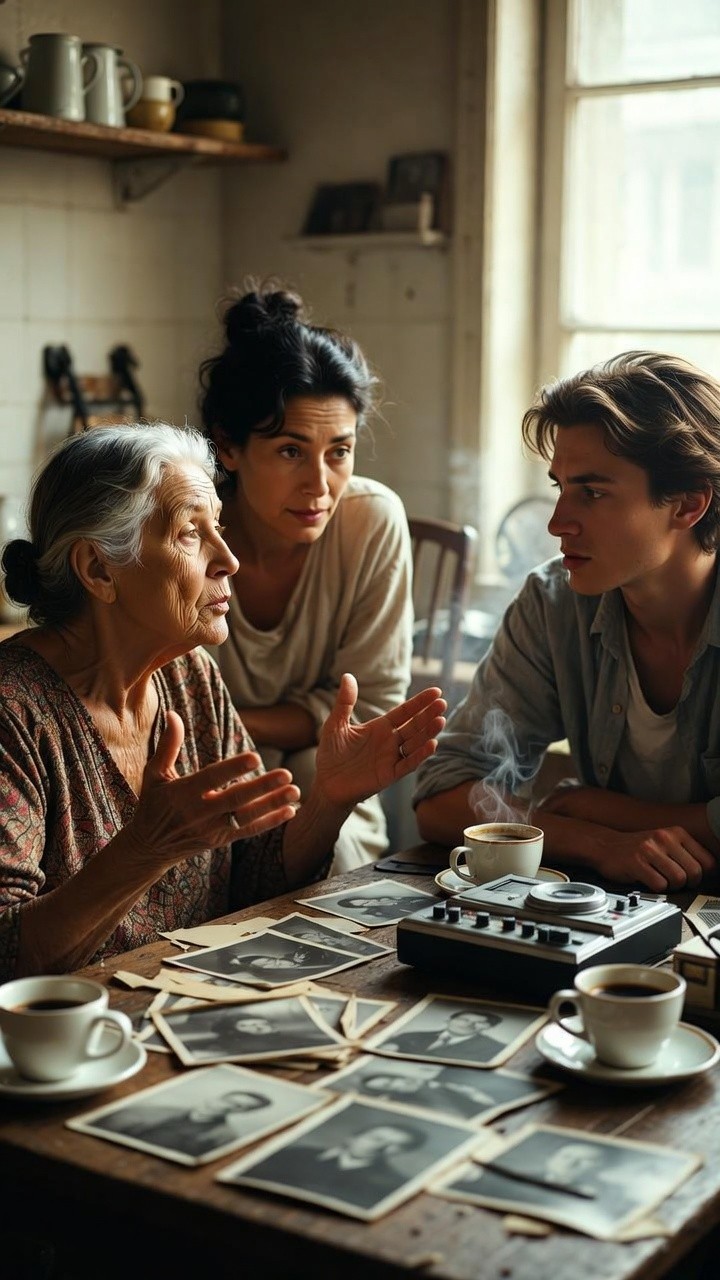
Oral history is the practice of recording personal memories through spoken conversations. Instead of focusing only on dates or documents, oral history captures how people experienced their lives—what they felt, believed, and remembered. For families, oral history plays a crucial role in preserving identity, culture, and legacy.
What is oral history?
Oral history involves recording people as they share stories about their lives, relationships, and experiences. These conversations are typically recorded as audio and later preserved as part of a family or community archive. Unlike formal records, oral history reflects real voices, emotions, and personal perspectives.
How oral history differs from written records
Written records focus on facts such as names, dates, and events. Oral history goes deeper by capturing tone, emotion, and context. A document might say where someone was born, but oral history explains what life felt like at that time. Hearing a loved one’s voice adds meaning that written words alone cannot convey.
Why spoken memories matter in families
Spoken memories help families understand their shared past. Stories about childhood, migration, work, relationships, and daily life provide insight into family values and traditions. These stories often explain why families do things a certain way, not just what happened.
Preserving culture and identity across generations
Oral history is especially important for preserving cultural traditions and lived experiences that may not appear in written records. Language, expressions, and personal beliefs are passed down through speech. Recording these memories ensures that future generations stay connected to their roots.
Oral history as a living family legacy
Family stories aren’t static—they grow over time. Recording conversations regularly allows families to build a living archive that reflects changing lives and relationships. These stories become a lasting resource that future generations can revisit, learn from, and pass forward.
Why oral history matters today
Modern life moves fast, and families are often spread across locations. Oral history creates a way to slow down and intentionally preserve what matters most. By recording spoken memories today, families protect their stories from being lost tomorrow.
Related Guides
Record Your Parents' Voice
Preserve Voice Recordings
How to Record Family Stories