How to Create a Private Digital Family Archive
Learn how to create a secure, private digital archive for your family’s stories, including best practices for organization, access control, and long-term preservation.
Trevor Richardson, Founder of InkTree

Trevor Richardson is the founder of InkTree.ai, a family storytelling platform that helps families record stories by phone, create transcripts, and preserve memories in a private archive that can be shared across generations. After losing his father, he became focused on preventing the quiet loss of voices and everyday stories that disappear over time. With close to two decades in cybersecurity, Trevor brings a privacy first approach to protecting deeply personal family history. He writes about family storytelling, digital legacy, and using voice technology to strengthen connection across generations.
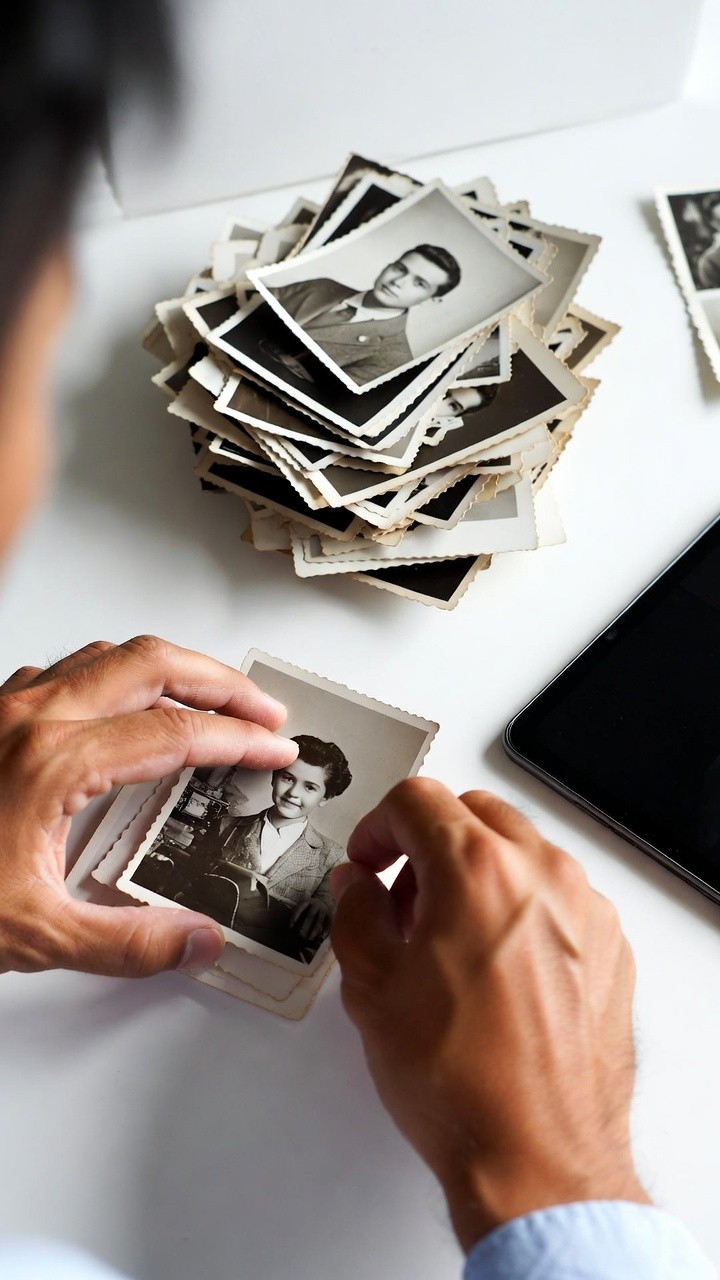
How to Create a Private Digital Family Archive
A private digital family archive allows families to preserve stories, memories, and recordings in a secure and organized way. When done thoughtfully, it becomes a lasting resource that can be shared across generations.
Choose a secure storage approach
Security should be the foundation of any family archive. Look for systems that use encryption and protect data both during upload and storage. Avoid public platforms that lack clear privacy controls.
Organize stories for easy access
An effective archive is easy to explore. Organize stories by people, dates, and topics so family members can find memories without searching through long recordings or folders.
Control who can view and contribute
Privacy depends on access control. Limit visibility to trusted family members and decide who can add, edit, or share stories. Clear permissions help protect sensitive memories.
Preserve original recordings alongside stories
Written summaries are useful, but original voice recordings add emotional depth. Preserving both ensures future generations can hear voices and experience stories as they were told.
Plan for long-term preservation
Choose a solution that supports ongoing access and backups. Long-term preservation ensures that stories remain available even as technology changes.
Keep the archive active
A living archive grows over time. Regular contributions help keep family history relevant and complete, turning a collection of stories into a shared family legacy.
Related Guides
How to Preserve Family Memories
Organize Family Photos
How to Record Family Stories